If you have looked into upgrading your business phones lately, you have probably run into the term “cloud phone system” more than once. It gets thrown around a lot, sometimes without much explanation, so let’s break down what it actually means and why so many companies are moving away from their old desk phone setups.
What a Cloud Phone System Actually Is
A cloud phone system is a business phone service that runs over the internet instead of through traditional copper phone lines. Instead of a physical PBX box sitting in a closet somewhere in your office, the “brains” of the phone system live on servers managed by your provider. Your calls travel as data over your internet connection, which is why this technology is often called VoIP, short for Voice over Internet Protocol.
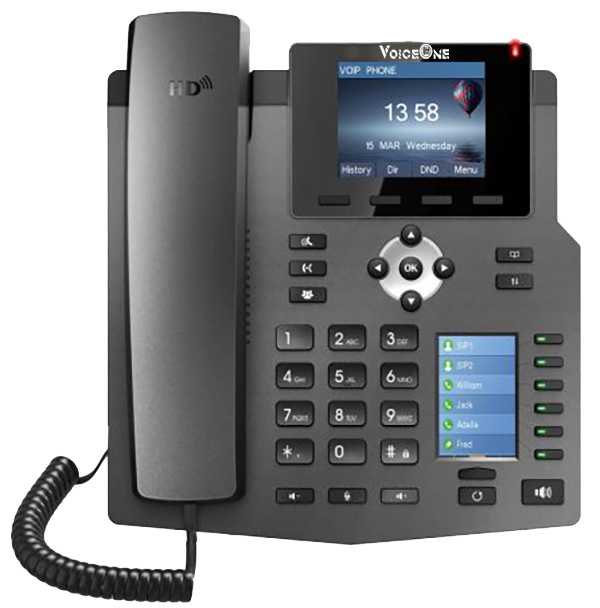
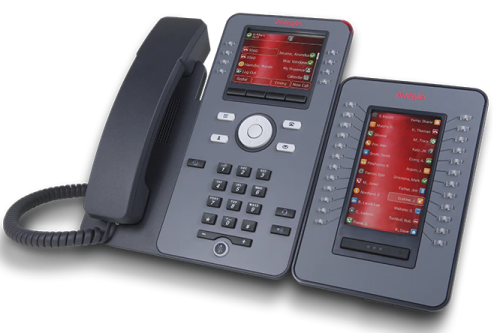
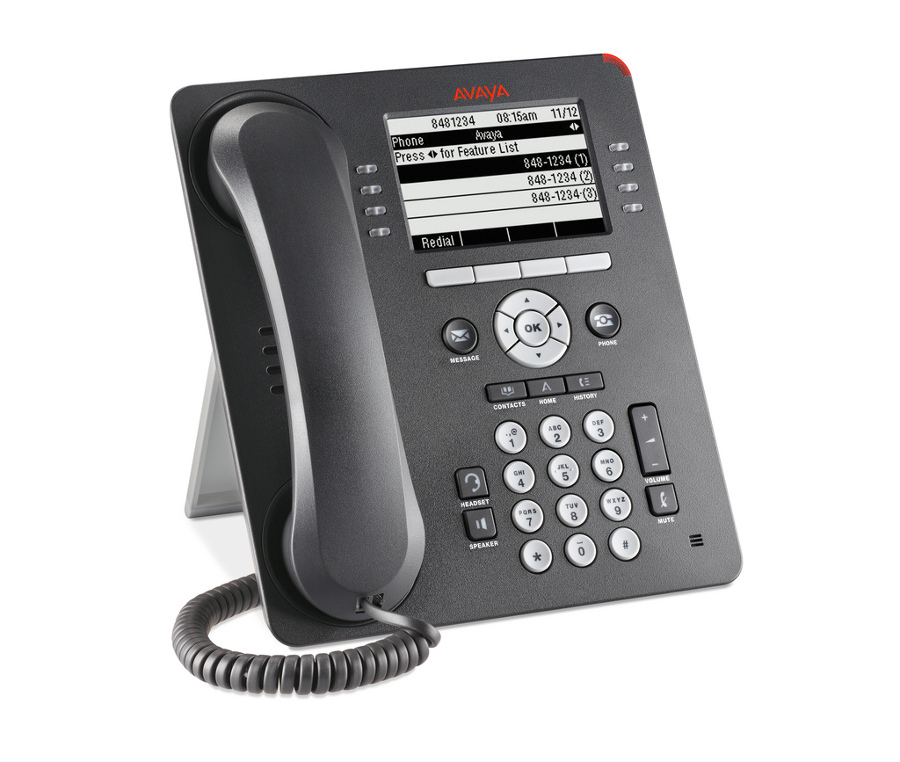
In practice, this means you can make and receive calls from a desk phone, a laptop, or a mobile app, all tied to the same business number. Someone calling your main line could reach you whether you are at your desk, working from home, or standing in line at the airport.
How It’s Different From a Traditional Phone System
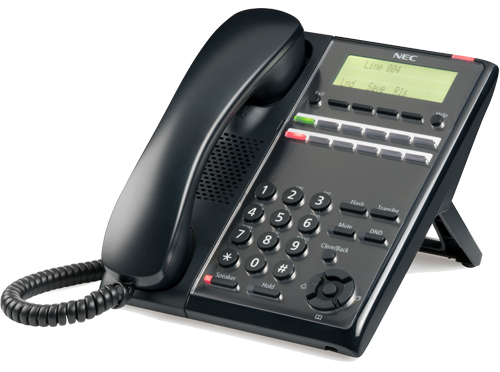
Old school phone systems require physical hardware on site. That box handles call routing, voicemail, and all the other features your office relies on. If something breaks, you need a technician to come fix it. If you want to add a new employee, you often need new wiring or additional equipment.
Cloud systems flip that model. The hardware and software live off site with the provider, and updates happen automatically in the background. Adding a new employee usually means logging into a web portal and assigning them a number and extension. No wiring, no site visit, no waiting around for a technician.
Why Companies Are Switching
There are a handful of reasons this shift has picked up so much speed over the past several years.
Cost. Traditional systems come with steep upfront costs for hardware, plus ongoing maintenance fees. Cloud systems typically work on a subscription model, so you pay a predictable amount per user each month, and there is little to no hardware to buy outright.
Flexibility. Remote work and hybrid schedules are common now, and cloud phone systems fit that reality well. Employees can take their business line with them wherever they go, using a laptop or smartphone app instead of being tied to a physical desk phone.
Scalability. Growing a team used to mean ordering more phones and running more lines. With a cloud system, scaling up or down is mostly a matter of clicking a few buttons in an admin dashboard.
Features. Auto attendants, call queues, voicemail to email, call recording, and integrations with tools like CRMs or helpdesk software tend to come standard or as easy add ons. Getting the same functionality out of an older on premises system often means expensive upgrades.
Reliability during outages. If a storm knocks out power at your office, a traditional phone line tied to that building goes down with it. A cloud system can be set up to reroute calls to mobile phones or another location automatically, so customers are not met with a dead line.
Things Worth Considering Before You Switch
Cloud phone systems are not without tradeoffs, and it is worth going in with clear eyes.
Your call quality depends heavily on your internet connection. If your office bandwidth is unreliable or your network is not configured well, you may run into choppy audio or dropped calls. Providers usually recommend a certain amount of bandwidth per active call, so it is worth checking your setup before committing.
You are also relying on an outside provider for uptime. Most reputable companies publish strong uptime guarantees, often above 99.9 percent, but it is fair to ask any provider you are considering about their track record and what backup measures they have in place.
Security matters too. Since calls travel over the internet, you want a provider that takes encryption and account security seriously, particularly if your business handles sensitive customer information over the phone.
Choosing a Provider
There is no shortage of companies offering cloud phone service, and the right one depends a lot on the size of your business and what you actually need day to day. A five person startup has very different requirements than a call center with a hundred agents.
Some good questions to ask when comparing providers:
- What happens to call quality if our internet goes down?
- How does pricing change as we add more users?
- Can it integrate with the software we already use?
- What kind of support is available, and how fast do they respond?
- Is there a contract, or can we cancel or downgrade if our needs change?
Getting clear answers to these before signing anything will save you headaches down the road. Information from 411Telecom.
The Bottom Line
Cloud phone systems have become the default choice for a lot of businesses, and it is easy to see why. They tend to cost less upfront, scale more easily, and give employees the freedom to work from anywhere without losing their business phone line. That said, a solid internet connection and a provider you trust are the backbone of making it work well. Take the time to test call quality, ask the right questions, and pick a system that actually fits how your team works, and the switch tends to pay off quickly.
Related to: